
Master Low-Calorie Cooking Techniques
Learn professional methods to create delicious, nutritious meals while maintaining precise calorie control. Our comprehensive training covers expert strategies used by nutrition professionals worldwide.
The information on this site is for educational purposes only and does not constitute medical advice. Always consult a qualified healthcare professional before making health decisions.
Core Training Modules
Our structured curriculum teaches the fundamental techniques and advanced strategies essential for mastering low-calorie cooking at a professional level.
Heat Control & Cooking Methods
Master various cooking techniques including dry-heat methods, moist-heat cooking, and combination approaches. Learn how different temperatures and cooking times affect nutritional content and calorie retention in finished dishes.
Ingredient Selection & Substitution
Discover strategies for choosing lower-calorie ingredients without sacrificing flavor or satisfaction. Learn practical substitution techniques for oils, fats, dairy products, and refined carbohydrates that maintain recipe integrity.
Portion Control & Measurement
Develop precision in measuring and portioning ingredients to achieve consistent calorie counts. Learn standard measurement conversions, weight-based calculations, and practical plating techniques for accurate serving sizes.
Recipe Development & Analysis
Learn systematic approaches to creating new recipes and analyzing existing ones for calorie content. Understand macronutrient distribution, ingredient interactions, and how to modify traditional recipes for lower-calorie versions.
Flavor Enhancement Techniques
Master the art of creating bold, satisfying flavors without relying on high-calorie ingredients. Learn seasoning strategies, acid balance, aromatics use, and texture techniques that make lighter meals genuinely delicious.
Meal Planning & Nutrition Integration
Integrate low-calorie cooking techniques into comprehensive meal plans that support diverse nutritional goals. Learn how to structure meals, combine dishes strategically, and ensure adequate nutrient density alongside calorie management.
Why Master Professional Techniques
Professional-grade cooking techniques form the foundation of sustainable, enjoyable eating approaches. When you understand how to prepare delicious meals with precise nutritional control, you transform the entire experience from restriction to capability.
Our training emphasizes that lower-calorie cooking is not about deprivation—it's about skill. The same techniques restaurant chefs use to create memorable dishes can be applied to create satisfying meals that align with your nutritional goals.
Consistent Results
Standardized techniques ensure predictable outcomes and accurate nutritional information across every meal you prepare.
Ingredient Versatility
Master fundamental methods that apply across countless ingredients, cuisines, and cooking styles rather than following rigid recipes.
Time Efficiency
Professional techniques often streamline preparation, making it faster and easier to prepare nutritionally-aligned meals consistently.
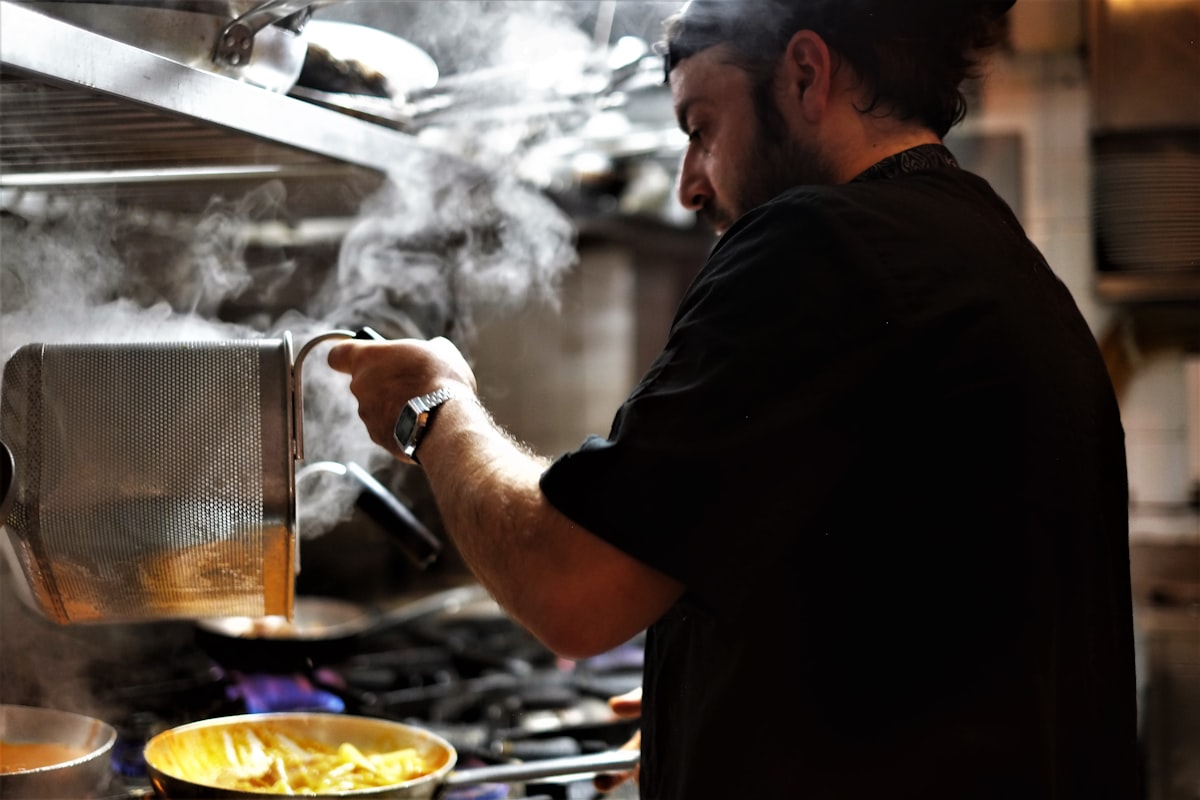
Our Four-Step Training Framework
A structured progression from foundational cooking skills through advanced recipe development and professional application.
Fundamentals
Learn basic cooking methods, equipment use, food safety principles, and how calorie changes occur during cooking processes. Build your foundation in heat application and ingredient handling.
Application
Apply fundamental techniques to create actual dishes. Practice ingredient substitution, portion control, and flavor development through hands-on preparation of real meals across various cuisine styles.
Development
Create original recipes from scratch, analyze their nutritional profiles, and modify existing recipes for lower-calorie versions. Learn systematic recipe testing and refinement processes.
Integration
Integrate techniques into comprehensive meal planning, support diverse nutritional approaches, and apply professional standards to real-world cooking situations and meal preparation scenarios.
Training Questions Answered
Discover answers to common questions about our low-calorie cooking technique training program.
What cooking experience do I need to start?
Our training is designed for both beginners and experienced cooks. We start with fundamental techniques and progressively build skills. Beginners learn core methods from scratch, while experienced cooks deepen their understanding of nutritional aspects and advanced applications.
How do I know if a technique is truly low-calorie?
We teach you to evaluate techniques by understanding how cooking methods affect ingredient composition. You'll learn to analyze nutritional data, recognize high-calorie cooking mistakes, and measure actual results. This knowledge lets you adapt techniques to your specific needs.
Can low-calorie cooking work for different cuisine styles?
Absolutely. The fundamental techniques apply across all cuisines—from Mediterranean to Asian to comfort food. You'll learn how to apply low-calorie principles while preserving authentic flavors and techniques specific to different cooking traditions and regional styles.
How long does it take to master these techniques?
Basic competency develops through consistent practice over weeks. True mastery—understanding when and how to adapt techniques—develops over months and years of application. Our training provides the framework; your practice makes them second nature.
Do I need special kitchen equipment?
Professional techniques can be executed with basic kitchen tools. While some specialized equipment accelerates certain tasks, the core methods rely on fundamental skills with standard knives, pans, and cooking vessels. We teach you efficient techniques regardless of your equipment level.
How does this differ from regular cooking education?
While traditional cooking focuses on flavor and technique alone, our training specifically addresses how methods affect calorie content and nutritional composition. You'll understand not just how to cook, but how to cook with precise nutritional awareness and control.
Advanced Technique Modules
Explore specialized areas of low-calorie cooking that professional practitioners master for consistent, exceptional results.
Oil & Fat Optimization
Master techniques for using minimal oil while maximizing flavor. Learn spray application, pan-seasoning methods, fat-free cooking approaches, and when small amounts of quality fats enhance both taste and nutritional value.
Discover detailsDry-Heat Cooking Methods
Roasting, grilling, and baking without added fats. Learn temperature management, browning techniques that enhance flavor, moisture retention strategies, and how to achieve restaurant-quality results with minimal caloric additions.
Discover detailsMoist-Heat Cooking Methods
Steaming, poaching, and braising techniques that naturally reduce calorie density. Learn flavor development in liquid-based cooking, timing for optimal texture, and how to create rich-tasting dishes without cream-based sauces.
Discover detailsSpice & Seasoning Mastery
Create bold, complex flavors using zero-calorie seasonings. Learn spice layering, timing of seasoning addition, salt balance, acid incorporation, and how professional chefs develop taste depth without relying on fat or sugar.
Discover detailsSauce & Dressing Techniques
Create flavorful sauces and dressings with minimal calories. Learn emulsification without excess oil, thickening techniques using vegetable purées, vinegar-based approaches, and how to build complexity that rivals traditional high-calorie versions.
Discover detailsTexture & Satisfaction Strategies
Understand how texture, volume, and presentation create satisfaction beyond calories alone. Learn how fiber, water content, and mechanical properties of food affect appetite signaling and perceived value of lighter meals.
Discover detailsExpert Practitioner Insights
Real professionals share how mastering low-calorie cooking techniques transformed their approach to food preparation and nutritional goals.
"Learning the systematic approach to technique-based cooking completely changed how I approach meal preparation. Instead of following recipes, I understand the principles behind every decision. My meals are more consistent, more delicious, and naturally aligned with my nutritional goals."
Maria Papadopoulos
Nutrition Coach, Thessaloniki
"The training demystified how professional chefs create amazing flavors while maintaining nutritional control. I realized that lower-calorie cooking isn't about sacrifice—it's about skill and understanding. My family actually enjoys these meals more than before."
Dimitris Economou
Home Chef & Parent, Athens
"As a personal trainer, having solid knowledge of cooking techniques gives me genuine credibility when discussing nutrition with clients. I'm not just recommending changes—I understand the practical realities of implementation. This training elevated my entire professional approach."
Sofia Leventis
Personal Trainer & Wellness Professional, Patras
Stay Updated with Technique Articles
Get regular insights on low-calorie cooking techniques, professional tips, and nutrition education delivered to your inbox.
We respect your privacy. Articles only, no sales messages.
Ready to Master Low-Calorie Cooking?
Our comprehensive training framework transforms your approach to food preparation, giving you the professional skills to create delicious, nutritionally-aligned meals consistently.
Questions about our training content? Send us feedback about articles and techniques.